
Clean air can't wait twenty years for a tree to grow.
Arka Taru units pull CO₂ and smog out of city air with living microalgae. They start working the day they're switched on.
Drag across the sky to clear itSwipe sideways across the sky to clear it
Patent-pending. Built and tested in India.
India is choking.
- 5 of 10
of the world's most polluted cities are in India, including the most polluted of all.
IQAir, World Air Quality Report 2025 - $95B
lost by Indian business every year to air pollution: about 3% of GDP.
Dalberg, Clean Air Fund and CII, 2021 - 7M
premature deaths a year worldwide are linked to polluted air.
World Health Organization - 3rd
largest CO₂ emitter in the world is India, with a net-zero target of 2070.
Global Carbon Project, Global Carbon Budget
India needs the growth. Its air can't afford the pollution that comes with it.
The usual fixes weren't built for Indian cities.
Planting trees is right, and it is slow. A sapling takes ten to twenty years to clean meaningful air. People breathing it today can't wait that long.
Smog towers
Large, expensive structures that clean a small radius and draw a lot of power. A city would need thousands.
Industrial carbon capture
Built for a single factory smokestack, not the air people breathe at a bus stop or a school gate.
Air purifiers
They filter particles indoors and do nothing about CO₂ or the oxygen balance of the room.
A living air purifier for homes and offices.
This is the Arka Taru home unit: a column of live microalgae, lit from within. The same biology scales up into modular units for roadsides, rooftops, factory perimeters and malls.
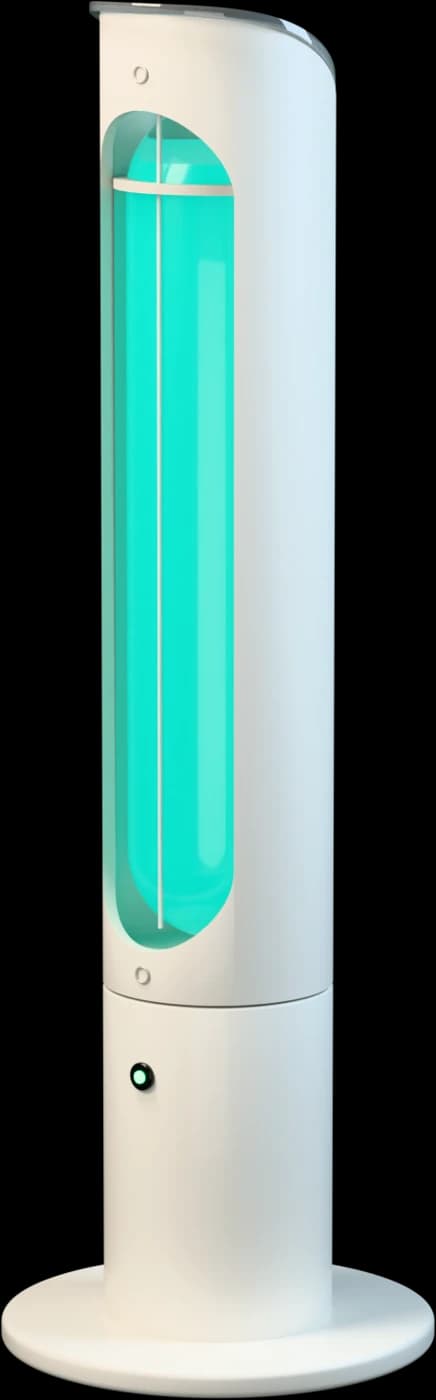
Ingest
Room air is drawn in and bubbled through a nutrient-rich algae culture. In dusty air, Jal Chakra strips out the heavy particles first.
Capture
Under light, the algae photosynthesise and take up CO₂ and NOₓ as food. Fine particles stay behind in the culture.
Release
Clean, oxygen-rich air goes back into the room.
Harvest
As the culture grows, surplus algae is harvested as biomass: a carbon-negative raw material.
- Filters PM2.5, PM10 and CO₂Biologically, with no filter cartridges to bin.
- Releases oxygenAir leaves cleaner and richer than it came in.
- SilentNo moving-part noise, so it fits in any room.
- Low powerA small continuous draw, with a solar option for unreliable grids.
जल चक्रJal Chakra
The patent-pending stage that keeps the algae alive in Indian air.
Delhi's dust would choke an algae culture in about a week. So before air reaches the algae, it passes through Jal Chakra. A tangential inlet spins the air into a tight vortex, and centrifugal force throws particles into a thin film of water running down the chamber wall.
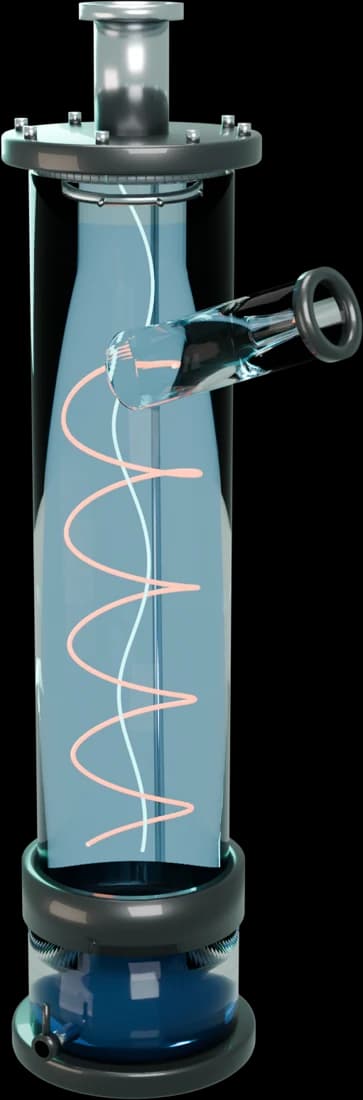
Dust and PM2.5 Cleaned air
- Vortex speed
- 300–600 RPM
- Centrifugal field
- 50–150 × g
- Water film
- 0.5–2 mm
- Power draw
- 11–17 W
- Noise at 1 m
- < 40 dBA
- Water use
- 0.5–1.5 L/day
- 50–60%of PM2.5 removed first
And 65–75% of PM10, before the air ever reaches the algae.
- > 90%of ammonia dissolved
SO₂ over 80% and NO₂ 20–30%, absorbed straight into the water film.
- 2–5 °Ccooler air, 10–20% more humid
Close to the conditions the algae culture grows best in.
- 0 Lof wastewater
Water only leaves by evaporation. About 100 mL of sludge is drained once a week.
The algae lasts twice as long between services.
Why it's hard to copy.
Jal Chakra against conventional wet scrubbers, from the patent application. Other algae bioreactors skip pre-treatment entirely, and Indian dust fouls their cultures fast.
Prior art compared: US 5,766,461 and EP 1,293,238.
- Application 1Jal Chakra
Hydro-inertial pre-treatment: the vortex and water film.
- Application 2Photobioreactor core
The microalgae chamber that does the carbon capture.
- Application 3System integration
Two-stage control that ties pre-treatment to biomass.
One unit. The CO₂ uptake of fifty mature trees.
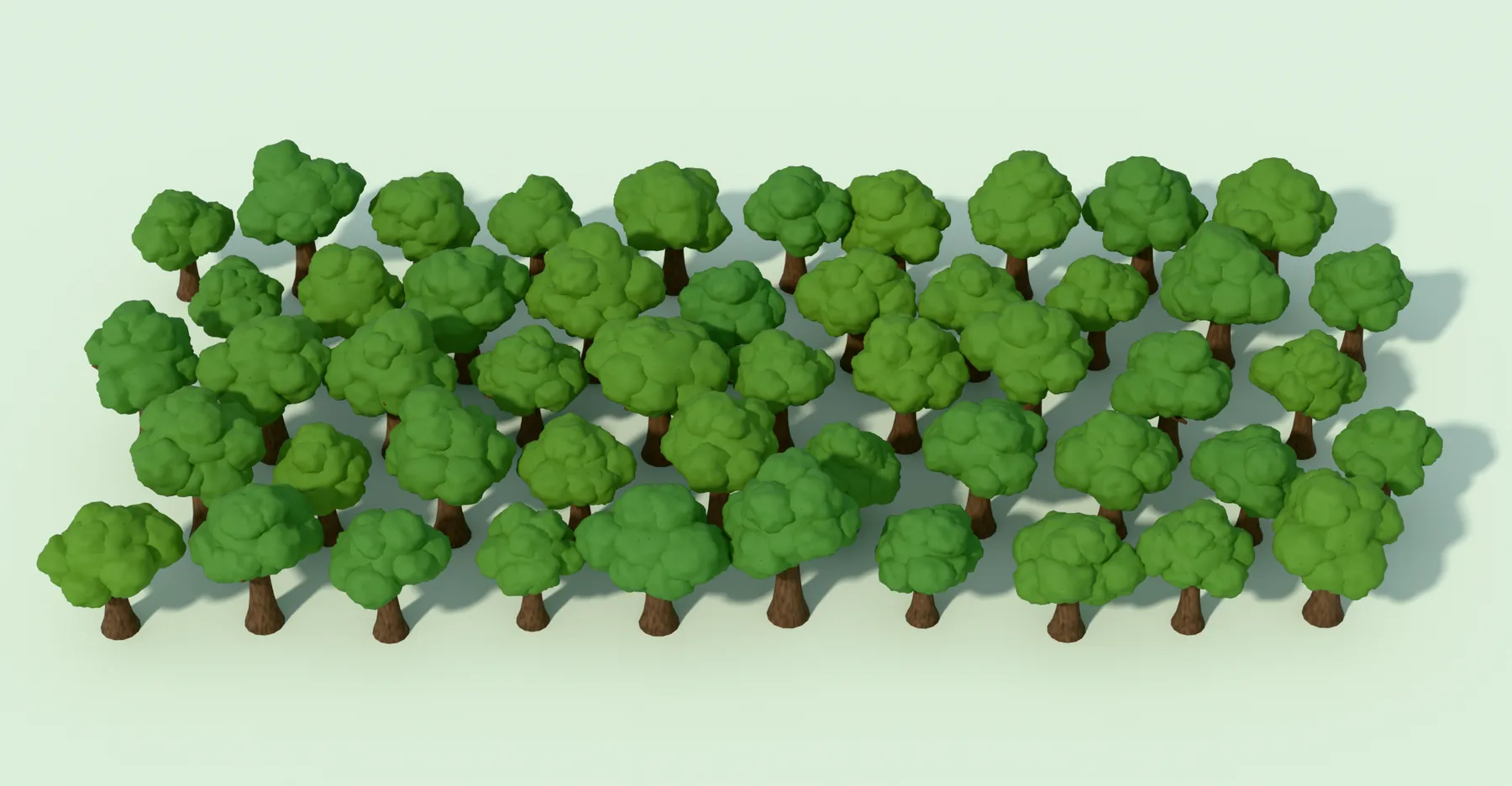
How this is calculated: a tree absorbs roughly 10 to 40 kg of CO₂ a year, about 25 kg on average (EcoTree). 50 mature trees therefore take up about 1.25 tonnes of CO₂ a year, the annual uptake this comparison assumes for one unit.
India's carbon market opens this month.
Compliance buyers will need offsets they can verify. Every Arka Taru unit is metered from day one.
- Oct 2026
The Carbon Credit Trading Scheme goes live: India's first compliance carbon market, covering about 490 industrial facilities across 9 sectors.
- $12.8B
Raised by Indian climate tech since 2008, with $237M of it going to air-pollution management.
- Budget 2026
Names carbon capture and CCUS as growth areas, with new capital from SBI Ventures and NABARD.
Cleans emissions at the source, such as diesel generators. Proof Indian investors fund hardware, but it never touches ambient city air.
The same core idea, with no pre-treatment stage. In Indian dust and PM load, their cultures foul quickly.
The only two-stage system: patent-pending pre-treatment, a microalgae core, IoT-verified data, and revenue from both biomass and carbon credits.
Market opportunity.
- TAM · Total addressable market₹15,000 Cr+
Indoor air and wellness, smart-home IoT, corporate green infrastructure, ESG buildings and smart cities.
- SAM · Serviceable available market$12.8B
- SOM · Serviceable obtainable market$237M
The people building it.

Mukul Gautam
FounderA serial entrepreneur since 17, mentor, workshop facilitator and startup community builder across Uttar Pradesh. One mission: saving lives, building futures.
mukul@arkataru.comPast work and experience
- Bharat Innovator Award, 2024
- Uttar Pradesh Samman Prateek, January 2025
- Schaeffler India Social Innovator Fellowship, 2024
- E-Summit NEC winner, IIT Bombay, 2019

Amit Verma
Technical research and project lead, IoT and embedded systems
Abhishek Pal
Outreach and market research- VM
V. Manaswini
Research AnalystIIT Madras graduate.
manaswini@arkataru.com
Advisory board.
Scientists, administrators and ecosystem builders who guide the work.

Dr. Sachitra Kumar Ratha
Principal Scientist, CSIR-National Botanical Research Institute
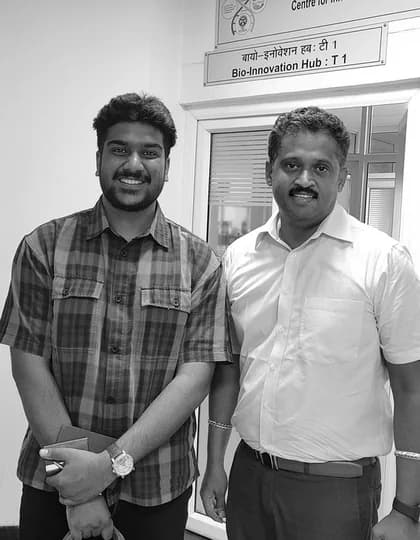
Dr. Ramakrishnan Parthasarathi
Head, CSIR-HRDG
Former Senior Principal Scientist, CSIR-Indian Institute of Toxicology Research, Lucknow
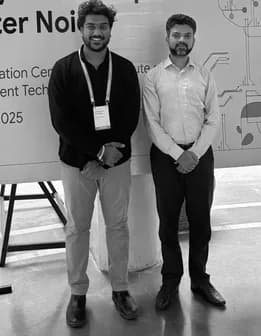
Mr. Surya Kant
CEO, AIC BIMTECH
Former Program Director, MeitY Startup Hub
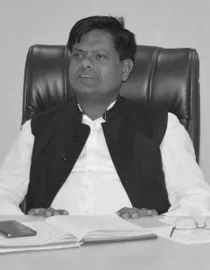
Dr. Heera Lal Patel, IAS
Secretary, National Integration, Government of Uttar Pradesh
Climate action leader

Mr. Nagendra Pratap Singh
Environmental consultant, ICFRE
Former Indian Navy engineer

Prof. (Dr.) Shahanaz Ayub
Director, BIICF. Mentor, Startup India
Best Teacher Award 2024 from the President of India

Dr. Shikha Dhawan, PhD, PGDM
Executive Director, Entrepreneur Cafe
ESG, CSR and public health
Talk to us.
For pilots, partnerships and press, write to the team.